
Investment-Friendly Residential Projects In Koba : A few months ago, a buyer from Ahmedabad called me after visiting 3 different projects in Koba in a single weekend. Each builder told him the same thing: “Prices will double in 3–4 years, this is the last chance to enter.”
By the third site visit, he was confused, slightly panicked, and almost ready to book a flat just to “not miss out.”
This is exactly where most buyers go wrong in Koba.
In my experience advising buyers in this micro-market, the biggest problem is not lack of options — it’s too much half-truth marketing and very little ground-level clarity. Most online blogs simply repeat builder claims like “high ROI residential projects in Koba” without explaining whether that ROI is realistic or just storytelling.
So this guide is not about listing “investment-worthy residential projects in Koba” like a brochure.
It’s about answering one question honestly:
Should you actually invest in Koba right now — or are you being pushed into a decision you will regret later?

Real Buyer Problems (Ground Reality in Koba)
Let’s be honest about what is actually happening on the ground in Koba.
1. Price Confusion Is Extreme
In Koba, two similar flats located within the same area can still have a huge price gap. Many buyers assume expensive projects automatically offer better quality or returns, but pricing often depends more on branding and marketing than actual value.
2. “High ROI” Is Used Too Casually
Terms like “high return” and “capital appreciation” are commonly used in property marketing without explaining the real resale demand or long-term liquidity. Buyers should focus on actual market performance instead of promotional promises.
3. Builder Urgency Tactics
Many builders still use pressure tactics like “last few units left” or “price increasing tomorrow” to create panic among buyers. In reality, urgency does not always mean a project is a smart investment opportunity.
4. Location misunderstanding
Koba is often bundled into the Gandhinagar growth story, but not every pocket inside Koba behaves the same in appreciation, which is why buyers should properly study the real residential investment opportunities in Koba before making any long-term property decision.
5. End-Use vs Investment Confusion
Many buyers purchase homes thinking they are making an investment, while their actual needs are more suited for self-use. This often leads to paying premium prices for properties that may not deliver strong investor-style returns.
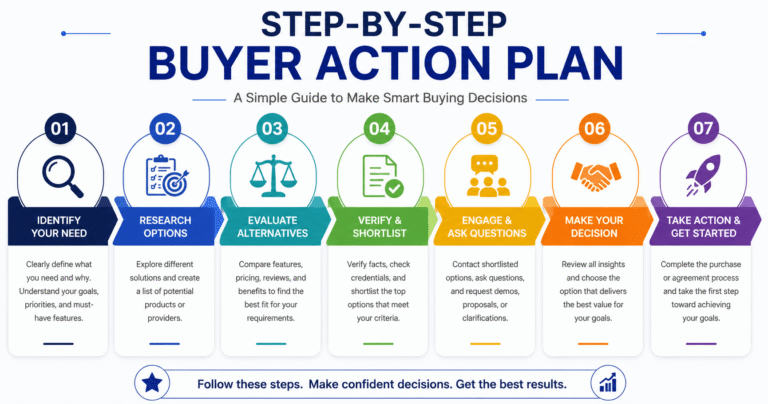
Step-by-Step Buyer Action Plan (Do This Before You Invest)
Step 1: Location Selection
What to do: Identify micro-location within Koba, not just “Koba as a whole.”
Why it matters: Appreciation differs block to block.
Mistake to avoid: Choosing only based on highway proximity or marketing names.
Pro tip: Prefer areas with real livability (schools, daily retail, connectivity), not just future promises.
Step 2: Budget & Price Validation
What to do: Compare at least 3 nearby projects + circle rate.
Why it matters: Prevents overpaying for “future potential.”
Mistake: Believing “premium pricing = premium returns.”
Pro tip: If price is 10–15% above nearby comparable inventory, ask why — not just accept it.
Step 3: Builder & RERA Verification
What to do: Check RERA registration and past delivery record.
Why it matters: Most delays happen due to weak execution history.
Mistake: Trusting brand name without verification.
Pro tip: Look for delayed possession patterns in previous phases.
Step 4: Site Visit Checklist
What to check:
- Surrounding development (not brochure map)
- Actual construction pace
- Access roads at night (often ignored)
Mistake: Visiting only sample flats.
Pro tip: Visit unplanned, not only guided tours.
Step 5: Legal & Registry Checks
Check:
- Title clarity
- Land conversion status
- Approved FSI usage
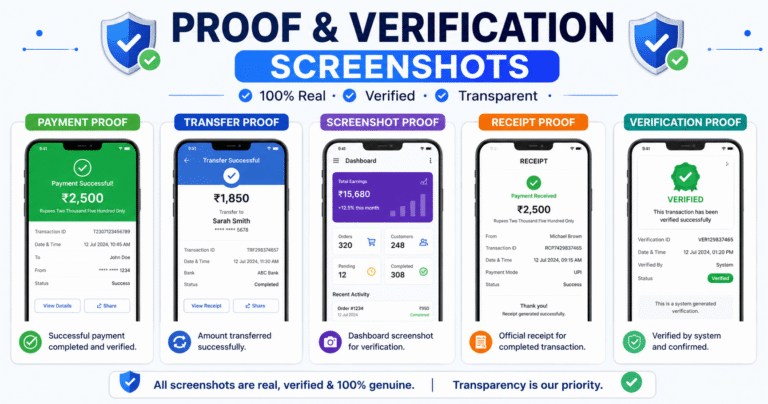
- [Screenshot: RERA project details]
→ Confirms legal approval and timeline reality
[Screenshot: Circle rate portal]
→ Helps identify overpriced inventory
[Screenshot: Registry record]
→ Shows actual transaction value, not asking price
Step 6: Negotiation Strategy
What to do: Negotiate based on unsold inventory, not emotion.
Why it matters: Koba still has price flexibility in many projects.
Mistake: Accepting “fixed price policy” blindly.
Pro tip: End of quarter = strongest negotiation window.
Real Case Studies (Ground Reality Examples)
Case 1: End-User Family
- Budget: ₹55 lakh
- Location: Koba near developing residential belt
- Purchase price: ₹52 lakh (2 BHK)
- Current value (2.5 yrs later): ₹58–60 lakh
- Lesson: Moderate appreciation, but real gain came from livability, not speculation
Insight: Stable growth, not explosive returns
Case 2: Investor
- Entry price: ₹48 lakh
- Rental yield: ~3.2% annually
- Current value: ₹54 lakh after 3 years
- Exit plan: Holding due to slow resale demand
- What worked: Early entry pricing
- What didn’t: Overestimated liquidity
Insight: “high ROI residential projects in Koba” often depend on exit timing, not entry price
Read More: Property Appreciation In Koba Gandhinagar
Social Proof (Realistic Buyer Feedback)
IT Professional, Ahmedabad
Purchased near Koba extension
Outcome: Good for self-use, slower appreciation than expected
PSU Employee, Gandhinagar
Bought 2 BHK in Koba
Outcome: Stable environment, but resale interest limited
NRI Buyer (Dubai-based)
Invested for long-term hold
Outcome: Comfortable holding, not active flipping market
Credibility, Verified Data & Market Context
This analysis is based on:
- Gujarat RERA portal verification
- Local registry and circle rate comparisons
- On-ground site visits in Koba and nearby Gandhinagar zones
- Buyer advisory interactions over multiple cycles
Current market behavior:
- Price growth in Koba is steady, not explosive
- Demand is driven more by end-users than investors
- Interest rate impact has slowed speculative buying
- Inventory absorption is moderate, not fast-moving
Real estate is cyclical — timing matters more than emotion.
Proof & Verification Screenshots (Experience Signal)
Who This Guide Is NOT For
This guide is NOT for:
- People looking for quick flipping gains
- Buyers expecting 20–30% annual guaranteed ROI
- Speculative investors following rumors
- Buyers who decide only based on brochures or agent pressure
You should wait or rethink buying if:
- Your decision depends on “doubling money fast”
- You are emotionally rushed
- You have not studied resale demand in Koba
Sometimes renting for 2–3 more years is a smarter financial decision.
If I Were Buying Today (Expert Opinion)
If I were personally buying in Koba today:
- I would not buy purely for investment flipping
- I would only consider selectively located, end-user friendly projects
- I would negotiate hard on:
- launch pricing
- floor rise charges
- parking costs
One red flag I would NOT ignore:
Projects with aggressive ROI promises but weak surrounding infrastructure development.
Honestly, I would wait if my goal was short-term profit.
Conclusion
Koba is not a “bad market” — but it is also not a guaranteed high-return zone.
The difference between a good and bad decision here is:
buying reality vs buying storytelling
If you are considering investment-worthy residential projects in Koba, focus less on marketing labels and more on:
- location micro-analysis
- resale demand
- builder track record
- realistic appreciation timeline
If this guide helped you think more clearly, use it as a checklist before any site visit or booking decision.
Investment-Friendly Residential Projects In Koba (FAQs)
Q1: Is Koba good for investment right now?
Q2: Are “best investment flats in Koba” really profitable?
Q3: Can I expect quick resale profit?
Q4: Is under-construction safer or ready possession better?
Q5: What is the biggest mistake buyers make here?
Reference
About the Author