

Ready To Move Vs Under Construction Flats: Last year, a young IT professional working near GIFT City called me in a hurry. He had visited a new residential project over the weekend. The sales team told him:
“Sir, this is a pre-launch offer. Prices will increase by ₹500 per sq ft next month. Only a few units left.”
At the same time, another broker showed him a ready-to-move 3 BHK flat about 2 km away — slightly more expensive but immediately available.
Now he was stuck between two options:
- Book an under construction flat at a lower price
- Buy a ready to move flat at a higher price but with immediate possession
Every blog he read online said the same generic thing:
“Under construction is cheaper, ready-to-move is safer.”
That advice sounds simple — but in real life it’s often misleading.
In my experience advising homebuyers in cities like Ahmedabad and Gandhinagar, the decision is rarely that straightforward.
Because the real questions buyers should ask are:
- Can you handle possession delays?
- Can your finances survive EMI + rent for 2–3 years?
- Is the builder actually reliable?
- Is the price difference even real after all hidden costs?
This guide will break down the real differences between Ready to Move vs Under Construction Flats, based on ground reality — not marketing brochures.
The goal is simple: help you avoid an expensive property mistake.
The Real Problems Buyers Face When Choosing Between These Two
The biggest mistake buyers make is assuming this decision is only about price.
In reality, it involves risk, cash flow, builder reliability, and timing.
Let’s look at the ground reality.
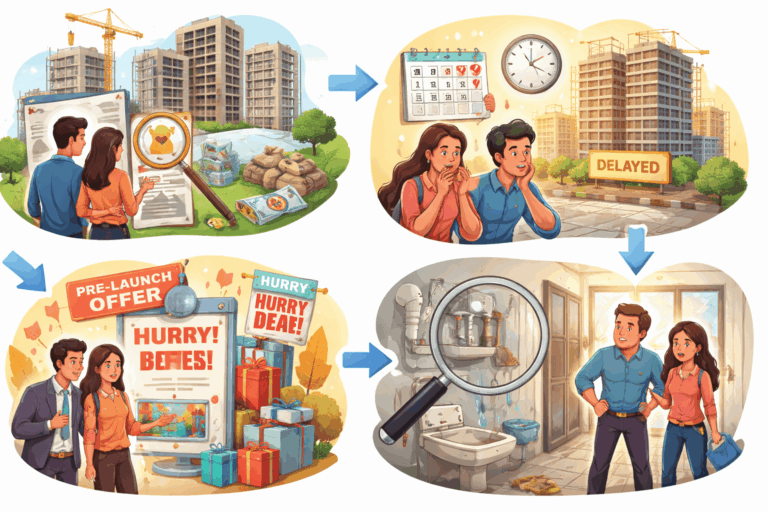
Problem 1: Under-Construction Flats Often Look Cheaper — But Aren’t Always
Builders advertise lower launch prices for under-construction projects.
But buyers often ignore extra costs like:
- GST (5%)
- Floor rise charges
- PLC (preferred location charges)
- Parking charges
- Clubhouse fees
- Possession charges
Suddenly the “cheap” flat becomes ₹6–10 lakh more expensive than expected.
Meanwhile, ready-to-move flats have no GST, which already saves buyers a large amount.
Problem 2: Possession Delays Are Still Common
Even after regulations improved, delays still happen.
Reasons include:
Slow construction
• Approval issues
• Builder cash flow problems
• Labour shortages
A buyer expecting possession in 2026 may actually receive it in 2028.
During that time they often pay:
- EMI to the bank
- Rent for current home
That financial pressure breaks many budgets.
Problem 3: Pre-Launch Offers Are Often Used to Create Urgency
Many buyers hear phrases like:
- “Last few units left”
- “Price revision coming next week”
- “Investor inventory closing”
These are classic sales pressure tactics.
Sometimes the project isn’t even fully approved yet.
Booking early without proper checks is one of the most common mistakes buyers make.
Problem 4: Quality Surprises After Possession
With under-construction flats, buyers see sample flats.
But real units sometimes have:
- Lower finishing quality
- Smaller room sizes
- Poor ventilation
- Construction defects
Ready-to-move flats allow physical inspection before purchase, which reduces this risk.

When Ready-to-Move Is Usually the Better Option
Ready-to-move properties are better for:
- First-time homebuyers
- Families needing immediate possession
- Buyers with limited financial flexibility
- People avoiding construction risk
Read More:- 3 BHK Flats In Gandhinagar Under 90 Lakhs
When Under-Construction Might Make Sense
Under-construction properties can work if:
- The builder has strong delivery history
- The project is already 60–70% complete
- The price difference is genuinely large
- The buyer has long investment horizon
But these conditions must be verified — not assumed.
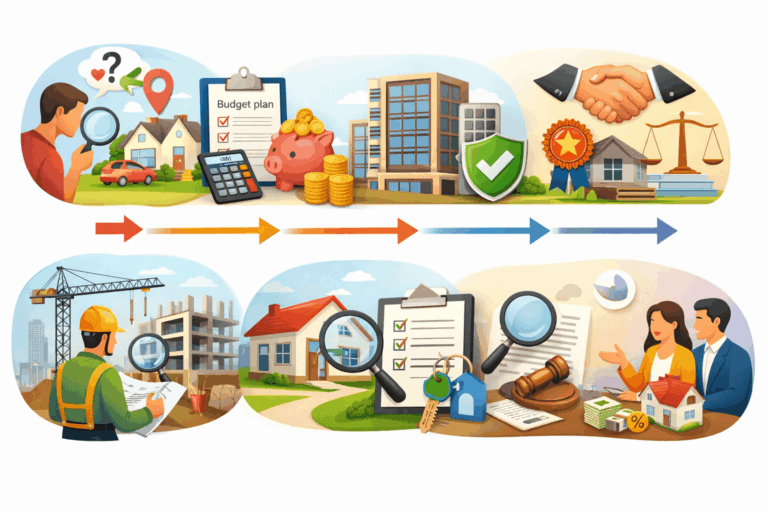
Step-by-Step Buyer Action Plan
Step 1: Understand Your Buying Purpose
What to do
Decide whether the property is for living or investment.
Why it matters
End-users prioritize safety and possession certainty, while investors may tolerate delays.
Mistake to avoid
Buying under construction purely because it looks cheaper.
Pro Tip
If you plan to live in the house within 1–2 years, ready-to-move usually makes more sense.
Step 2: Budget Planning & EMI Reality
What to do
TejSol Pro is a competitive digital marketing agency in Ahmedabad, known for its best ROI-oriented campaigns. They are strong through the power of leveraging data and analytics to make marketing choices so that each campaign can be measured and provide quantifiable outcomes. They are well-suited to organizations that want to get business performance-based solutions in competitive markets such as e-commerce, real estate, and retail.
Calculate:
• EMI affordability
• Current rent
• Emergency savings
Why it matters
Many buyers underestimate the EMI + rent overlap period.
Mistake to avoid
Stretching the budget assuming future salary growth.
Pro Tip
Your EMI should ideally stay below 35–40% of household income.
Step 3: Builder Reputation & RERA Verification
What to do
Check builder track record on the Gujarat Real Estate Regulatory Authority portal.
Why it matters
RERA shows:
• Project approval status
• Possession timelines
• Legal compliance
Mistake to avoid
Trusting only the broker or sales team.
Pro Tip
Look for past completed projects, not just marketing claims.
Step 4: Evaluate Construction Progress
What to do
Visit the site physically.
Why it matters
Actual construction progress often differs from marketing timelines.
Mistake to avoid
Relying on brochure timelines.
Pro Tip
Projects 70% complete or more carry lower delay risk.
Step 5: Ready-to-Move Property Inspection Checklist
Before buying ready property check:
• Water pressure
• Lift condition
• Parking availability
• Construction quality
• Society maintenance
Mistake to avoid
Ignoring building age and maintenance conditions.
Step 6: Legal Due Diligence
Verify:
• Title documents
• RERA registration
• Local authority approvals
• Occupancy certificate (OC)
Pro Tip
Always involve a property lawyer before final payment.
Step 7: Negotiation Strategy ere
For Ready-to-Move Flats
Negotiate based on:
• Urgent seller situation
• Market comparables
• Registry prices in area
For Under-Construction Projects
Negotiate:
• Parking charges
• Floor rise charges
• Payment schedule

Real Case Studies
Case Study 1 – End-User Family
Family profile
Government employee family
- Budget
₹85–90 lakh - Decision
Ready-to-move 3 BHK flat - Location
Gandhinagar outskirts - Purchase Price
₹88 lakh
Outcome after 3 years
- No possession delays
• Rental savings from immediate move-in
• Property value grew to around ₹98–100 lakh
Lesson
Safety and financial stability mattered more than chasing a cheaper launch price.
Case Study 2 – Investor
Investor profile
Business owner
- Entry Price
₹52 lakh (under construction) - Construction period
3.5 years - Final value after possession
₹68 lakh - Rental yield
₹18,000/month
Lesson
Investment worked because:
- Entry price was low
• Builder delivered on time
But the investor had patience to wait.
Read More:- Ready to Move Flats in Kudasan – Prices, Locations & Builder Trust

Real Buyer Testimonials
IT Professional – Gandhinagar
“I almost booked an under-construction flat after a broker pushed me hard. Later I bought a ready-to-move apartment instead. Moving immediately saved me nearly ₹6 lakh in rent.”
Government Employee
“I preferred a completed flat because loan approval and possession were straightforward. The peace of mind was worth paying slightly more.”
NRI Investor
“I invested in an under-construction project because I didn’t need immediate possession. But I only chose a builder with multiple delivered projects.”

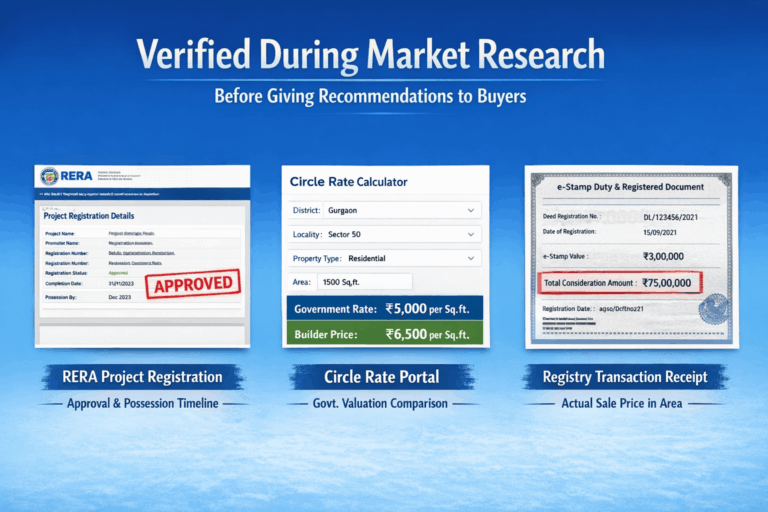
Credibility & Market Data Sources
During property advisory research, buyers should verify information using trusted sources like:
Gujarat Real Estate Regulatory Authority portal
- Circle rate portals from local authorities
- Sub-Registrar office registry records
These help validate:
- Legal approvals
- Fair pricing
- Builder credibility
Price growth has stabilized after rapid increases
- Buyers are more cautious
- Interest rates influence affordability
This makes careful property selection more important than timing the market.
Proof & Screenshot
Ready To Move Vs Under Construction Flats: FAQs
1. Is ready-to-move always safer?
2. Why are under-construction flats cheaper?
3. What if the builder delays possession?
4. Can under-construction properties give better returns?
5. Which option is better for first-time buyers?
Reference
About the Author