
Buying a home is one of the biggest financial decisions most people make. Whether you are purchasing your first apartment or adding another property to your investment portfolio, choosing between a ready-to-move home and an under-construction project is often the most important decision.
In recent years, many homebuyers have started preferring ready-to-move properties. One major reason is the ability to inspect the apartment before making a purchase. Buyers can evaluate the construction quality, check the interiors, review the available amenities, and move in immediately after the purchase process is completed.
At the same time, under-construction projects continue to attract buyers because they often come with lower launch prices and flexible payment plans. However, buyers also need to consider project timelines, approval status, and the developer’s ability to deliver on time.
So, is the growing popularity of ready-to-move homes changing the real estate market? Let’s compare both options in detail.
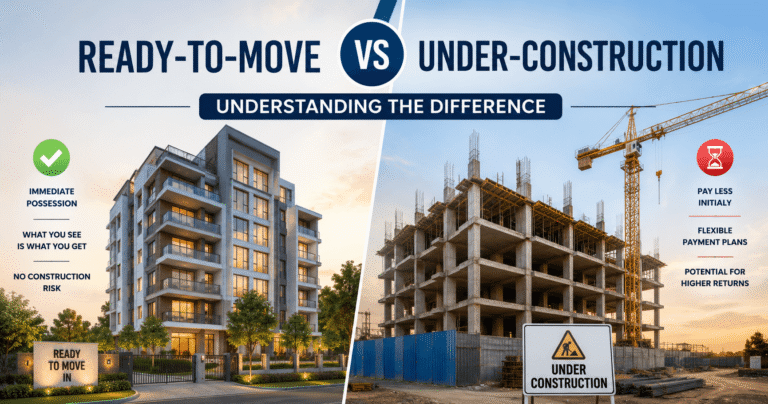
Ready-to-Move vs Under-Construction Homes: Understanding the Difference
Before comparing both property types, it’s important to understand what they mean.
A ready-to-move apartment is a completed residential unit where the construction work has finished, and the project has received the required occupancy and completion certifications. Buyers can complete the registration, finalize the documentation, and take possession almost immediately.
An under-construction home, on the other hand, is still being developed by the builder or developer. Buyers usually book the property during the early or middle stages of construction and wait until the project is completed.
The choice depends on your financial goals, timeline, and comfort level with potential risks.
Why More Buyers Are Choosing Ready-to-Move Homes
Immediate Possession
One of the biggest advantages of buying a completed flat is immediate handover.
Instead of waiting for several years, buyers can shift into their new residence as soon as the legal formalities are completed.
Immediate possession also eliminates uncertainty regarding project completion dates.
You Can Inspect the Property Before Buying
Unlike under-construction projects, ready homes allow buyers to physically inspect the apartment.
This helps buyers verify:
- Construction quality
- Floor finishing
- Electrical fittings
- Plumbing work
- Natural ventilation
- Parking space
- Security arrangements
- Clubhouse facilities
- Common areas
A personal inspection provides much greater confidence than relying solely on brochures or sample flats.
Better Transparency
Completed projects offer greater transparency throughout the buying process.
Buyers can verify:
- Actual carpet area
- Common amenities
- Building quality
- Surrounding infrastructure
- Road connectivity
- Neighborhood development
- Maintenance facilities
This reduces the chances of unpleasant surprises after purchase.
Lower Risk of Project Delays
Project delays remain one of the biggest concerns with under-construction developments.
Although RERA has improved accountability in the real estate sector, delays can still occur due to factors such as:
- Labour shortages
- Material costs
- Weather conditions
- Regulatory approvals
- Financial challenges
Ready-to-move properties eliminate this uncertainty because the project has already been completed.
Read More:- Premium Flats Near Infocity Gandhinagar
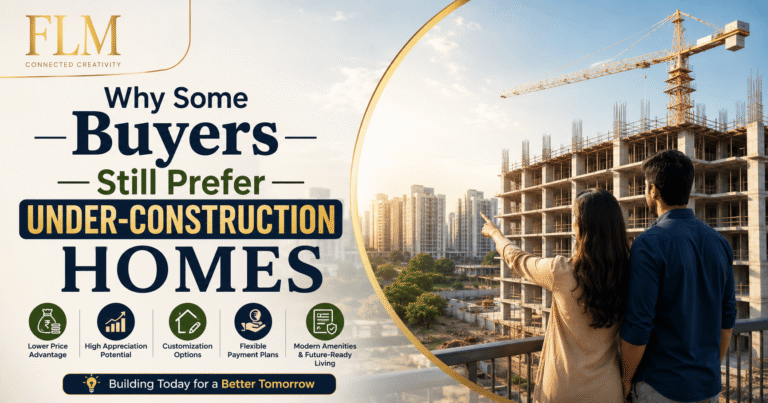
Why Some Buyers Still Prefer Under-Construction Homes
Despite the growing demand for ready homes, under-construction properties continue to appeal to many buyers.
Lower Initial Pricing
Builders often introduce attractive launch prices during the early stages of a project.
Buying early may allow buyers to purchase a property at a lower pricing level compared to completed apartments.
If the project develops as expected, the property’s value may increase before completion.
Flexible Financing Options
Many developers offer construction-linked payment plans.
Instead of paying the full amount upfront, buyers make payments based on construction milestones.
This approach can make financing easier for some families.
Banks also provide mortgage and EMI options based on the progress of construction, helping buyers manage their finances more effectively.
Potential Property Appreciation
If the surrounding area experiences rapid infrastructure development, improved connectivity, and increasing housing demand, an under-construction property may benefit from long-term appreciation.
For investors with a longer investment horizon, this can be an attractive opportunity.
However, appreciation depends on several factors, including location, market demand, and project execution.
Important Factors to Compare Before Making a Decision
Builder Reputation
Always research the builder or developer before investing.
Look at:
- Previous completed projects
- Construction quality
- Delivery timelines
- Customer reviews
- Legal track record
A trusted developer generally reduces investment risk.
RERA Registration and Legal Verification
Every buyer should perform proper verification before booking a property.
Check:
- RERA registration details
- Land ownership documents
- Government approvals
- Building plan approval
- Legal documentation
- Sale agreement
A registered project provides better protection for buyers and improves confidence in the transaction.
Location and Connectivity
The success of any property depends heavily on its location.
Evaluate:
- Daily commuting distance
- Public transportation
- Schools
- Hospitals
- Shopping centres
- Employment hubs
- Future infrastructure projects
Strong connectivity often contributes to better resale opportunities and long-term property appreciation.
Amenities That Improve Daily Living
Modern buyers now expect more than just an apartment.
Quality residential projects commonly include:
- Clubhouse
- Gymnasium
- Swimming pool
- Children’s play area
- Landscaped gardens
- Security systems
- Visitor parking
- Community spaces
These amenities improve everyday comfort while increasing the attractiveness of the property for future buyers or tenants.
Maintenance Responsibilities
Completed housing societies usually have established maintenance systems.
Buyers can understand:
- Monthly maintenance charges
- Building management
- Common area upkeep
- Security services
- Facility management
Knowing these costs beforehand helps buyers make informed financial decisions.
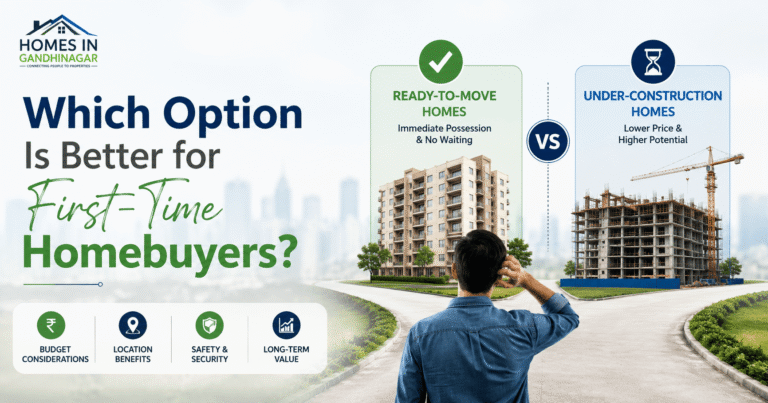
Which Option Is Better for First-Time Homebuyers?
For many first-time buyers, a ready-to-move home offers greater peace of mind.
They can inspect the property, verify the legal documentation, understand the actual living conditions, and move in immediately after registration and ownership transfer.
On the other hand, buyers with flexible timelines and long-term investment goals may still find value in carefully selected under-construction projects from reputed developers.
The right decision depends on your budget, financial planning, and future goals rather than following market trends alone.
Ready-to-Move vs Under-Construction Homes: A Quick Comparison
Factor | Ready-to-Move Homes | Under-Construction Homes |
Possession | Immediate | After project completion |
Property Inspection | Available before purchase | Limited to sample flats or site visits |
Construction Risk | Very Low | Depends on project progress |
Pricing | Usually higher | Often lower during launch |
EMI Burden | Starts immediately | May begin in stages based on the loan |
Rental Income | Can start immediately | Available only after possession |
Resale Opportunity | Easier because buyers can inspect the property | Depends on project status and market demand |
Transparency | High | Varies by builder and project |
Investment Risk | Lower | Moderate to High depending on the developer |
Which Option Offers Better Investment Potential?
Every buyer has different investment goals. Some buyers prioritize immediate use, while others focus on long-term returns.
A ready-to-move apartment generally provides greater certainty. Since the property is complete, buyers know exactly what they are purchasing. There is no waiting period, and rental income can begin soon after ownership is transferred.
An under-construction property, however, may offer better appreciation if purchased in the early stages of a project located in a developing area. As infrastructure, commercial activity, and housing demand improve, the value of the property may increase before possession.
The better investment depends on your financial strategy, expected holding period, and willingness to accept construction-related risks.
Rental Income and Resale Value
For buyers looking to generate passive income, ready-to-move homes often have an advantage.
Because the apartment is already complete, it can be rented immediately after registration and documentation are finished. There is no need to wait for the handover process to begin earning rental income.
Ready homes also tend to attract more buyers in the resale market because prospective purchasers can inspect the actual flat, evaluate the interiors, and understand the condition of the property before making an offer.
Under-construction homes may deliver strong returns if the surrounding township develops quickly, but buyers should be prepared to wait until the project is completed before receiving rental income.
Looking Beyond the Purchase Price
Many buyers compare only the advertised property price, but affordability involves much more.
Before making a decision, calculate the total cost, including:
- Stamp duty
- Registration charges
- Home loan processing fees
- Interior work
- Furnishing costs
- Society maintenance deposits
- Parking charges
- Utility connection fees
A property that appears affordable initially may become more expensive once these additional costs are included.
Planning your budget carefully helps avoid financial stress after purchasing your home.
Sustainability Is Becoming a Key Buying Factor
Modern homebuyers are increasingly considering sustainability when selecting a residential property.
Many newly completed projects now include features such as:
- Rainwater harvesting
- Solar-powered common lighting
- Energy-efficient lifts
- Waste management systems
- Water-saving plumbing fixtures
- Green landscaping
- Electric vehicle charging points
These features not only reduce operating costs but also contribute to a healthier and more environmentally responsible community.
As awareness grows, sustainable housing is expected to become an important factor influencing future buying decisions.
Livability Matters More Than Ever
Buying a home is about more than owning a property—it is about creating a comfortable lifestyle.
A project’s livability depends on several factors, including:
- Safe surroundings
- Reliable security
- Quality construction
- Open spaces
- Good ventilation
- Convenient connectivity
- Daily convenience
- Community facilities
- Access to healthcare and education
A well-planned neighborhood often provides greater long-term satisfaction than simply choosing the lowest-priced property.
Tips Before Buying Any Residential Property
Regardless of whether you choose a ready-to-move or under-construction home, follow these best practices:
- Verify the project’s RERA registration.
- Research the builder’s previous developments.
- Read the sale agreement carefully.
- Confirm all legal approvals and documentation.
- Visit the project location personally.
- Compare maintenance costs.
- Check the quality of amenities.
- Understand the total ownership cost before booking.
Taking these steps helps reduce risk and ensures a more informed purchase decision.
Conclusion
The growing preference for ready-to-move homes reflects the changing priorities of today’s homebuyers. Immediate possession, greater transparency, completed infrastructure, and the ability to inspect the property before purchase make ready homes an attractive choice for families and professionals.
However, under-construction projects continue to appeal to buyers seeking lower entry prices and the possibility of long-term appreciation, especially in rapidly developing locations.
Rather than asking which option is universally better, buyers should evaluate their financial goals, timeline, risk tolerance, and lifestyle requirements. A well-informed decision based on legal verification, builder reputation, location, and project quality is more valuable than simply choosing the cheaper option.
Whether you are purchasing a home to live in or investing for the future, careful planning and thorough research remain the foundation of a successful real estate investment.